
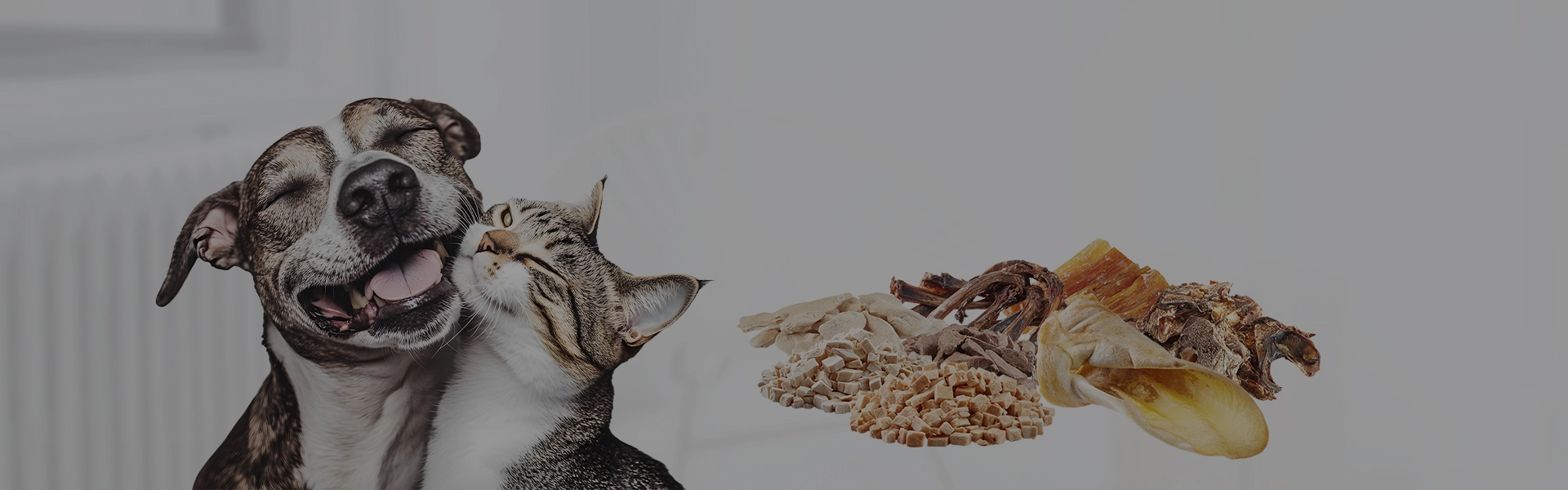
Support customized services for freeze-dried treats, air-dried treats and other pet treats.
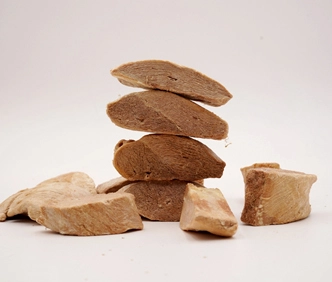


Wholesale buyers must evaluate several factors when sourcing pet treats in bulk. These include product variety (dog or cat treats, texture, ingredients), MOQ flexibility, lead time, packaging customization, and shelf life. It's also crucial to assess the supplier's certifications, export experience, and compliance with destination country standards (such as FDA or EU regulations). Choosing a pet treats manufacturer with strong R&D capabilities ensures that your products can stay competitive with current market trends, such as grain-free, single-protein, or functional nutrition treats. Reliable logistics and responsive communication also contribute to successful bulk sourcing.
China is a leading hub for private label pet treat manufacturing, offering competitive pricing, high production capacity, and advanced customization capabilities. By partnering with an experienced Chinese factory, businesses can access a wide range of treat types—such as freeze-dried, air-dried, and soft chews—while tailoring formulas, flavors, and packaging to suit market demands. Chinese manufacturers often provide flexible MOQs and export support, making it easier for small to mid-sized brands to scale. With strong supply chains and mature OEM/ODM systems, China remains a strategic choice for building and expanding your private label pet treat line.
When sourcing bulk pet treats, it's essential to work with a certified and experienced pet treats factory. A trustworthy supplier should have strict quality control procedures, traceable raw materials, international certifications such as ISO, HACCP, or BRC, and the ability to handle large-scale, consistent production. Additionally, reliable factories offer product testing reports, shelf life guarantees, and customizable packaging options to support brand identity. Long-term partnerships with dependable manufacturers help wholesale buyers ensure stable inventory, compliance with regulations, and greater customer satisfaction.
The number of treats you can give to your pet per day depends on their size, age, and dietary needs. Generally, treats should make up no more than 10% of your pet's daily caloric intake. Overfeeding treats can lead to obesity and other health issues. Always choose high-quality treats and consider their nutritional content. It's also a good idea to consult your veterinarian for personalized advice. Remember, treats should complement a balanced diet and not replace regular meals. Moderation is key to keeping your pet healthy and happy.
Storing pet treats properly ensures they remain fresh and safe for your furry friends. First, keep treats in their original packaging if it's resealable. If not, transfer them to an airtight container to prevent exposure to air and moisture. Store the container in a cool, dry place away from direct sunlight. For homemade treats, refrigeration or freezing can extend their shelf life. Always check the expiration date and discard any treats that show signs of spoilage, such as mold or an off smell. Proper storage not only maintains the quality but also keeps your pets healthy and happy.