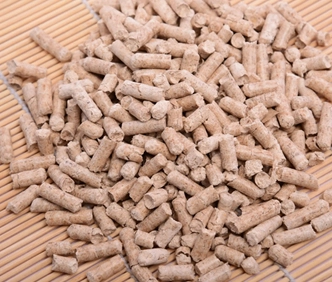
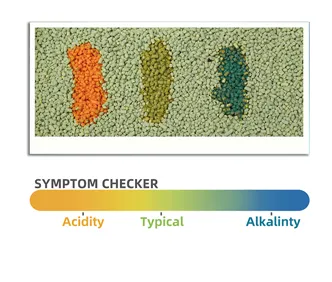
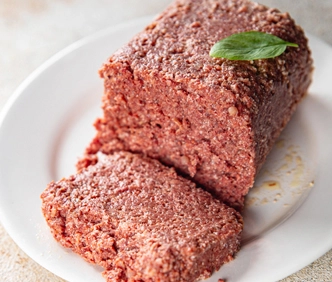
Cat litter is becoming more expensive in 2025 mainly because of rising raw material costs, higher global transportation fees, stricter environmental regulations on mining and manufacturing, and a sharp increase in demand for sustainable litter products. These factors collectively push up production expenses, which manufacturers must pass on to consumers.
Cat litter pricing used to be quite stable, but 2025 has marked a noticeable increase across nearly all litter categories—clumping clay, plant-based options, crystal silica gel, and wood-based litter. Multiple industry reports show that the rise is not caused by a single factor but a combination of global supply chain issues, environmental regulation updates, and manufacturing cost increases.
Pet owners, distributors, and pet products manufacturers alike are shifting focus in 2025 toward cleaner, more sustainable litter materials—another key driver pushing the market toward premium-priced formulations.
The supply chain for cat litter materials—bentonite clay, tofu fibers, wood pellets, and silica gel—has been under pressure since late 2024.
Clay Litter
Bentonite mining regions (especially in the U.S. and parts of Asia) have experienced:
Increased fuel expenses
Higher labor costs
New environmental constraints on land excavation
Mandatory restoration processes
These regulations help protect mining areas but also raise the total cost of extraction.
Plant-Based Litter
The global trend toward low-dust, biodegradable litter has driven up demand for plant-based materials such as corn, pea fiber, and soybean dregs. Bad weather patterns in key agricultural regions also reduced supply, tightening the market.
Some companies buying tofu cat litter bulk have reported year-over-year price increases of 8%–13% due to higher raw plant fiber costs.
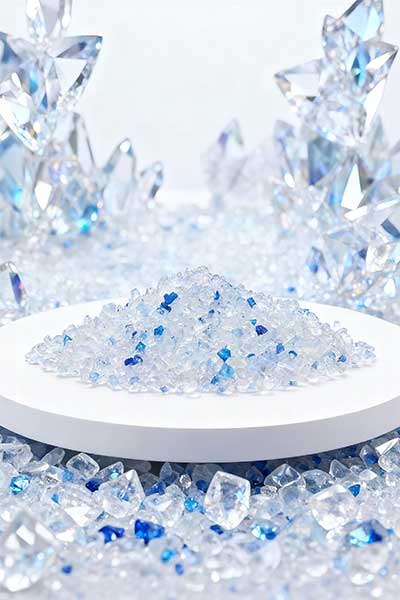
Silica Gel / Crystal Litter
Manufacturing costs for high-purity silica gel—like premium crystal cat litter—rose significantly as energy prices increased in 2025. Silica drying and activation processes are energy-intensive, so even small spikes in electric or gas prices lead to higher retail prices.
Logistics costs surged in 2025 because of:
Extended shipping times on several Asia–U.S. and Asia–EU routes
Re-routed vessels avoiding geopolitical risk zones
Higher container freight rates
Fuel surcharges
Cat litter is a heavy, low-margin category, so freight changes disproportionately influence product pricing.
Brands offering cat litter wholesale have been especially affected because bulk shipments exaggerate freight cost differences month to month.
Several regions introduced updated sustainability regulations in 2025 that directly impact cat litter.
Clay Litter Regulations
Mining companies must now provide more detailed ecological assessments and must fund local land restoration, increasing operational costs.
Plant-Based & Wood-Based Litter Regulations
Producers of plant based kitty litter, premium pine cat litter, and wood clumping litter face new certifications, wastewater standards, and carbon-emission reporting.
Packaging Regulations
Many markets now require recyclable or biodegradable packaging, adding cost for material changes and compliance tests.
Although these measures are environmentally positive, they add complexity—and cost—to production pipelines.
Pet owners today expect litter to be:
Dust-free
Low-tracking
Eco-friendly
Gentle for kittens
Better at odor control
Flushable (in some regions)
Demand rose particularly for blends like mixed cat litter, which combine plant fibers with clay to achieve better balance in clumping, dust control, and environmental safety.
Premium litter categories have grown faster than conventional clay, raising the average market price overall.
Modern litter plants must meet upgraded requirements for:
Dust filtration systems
Air circulation equipment
Water purification
Higher cleanliness thresholds
More precise granulation technology
While this improves product quality—such as making truly low-dust clay suitable for clumping litter kittens—it also increases operational costs.
Brands offering high quality pet products adopt more sophisticated processing lines, leading to higher product prices but better performance.
Price Comparison Table: 2024 vs. 2025 Market Snapshot
Litter Type | Average Price in 2024 | Average Price in 2025 | Key Reason for Increase |
Clay / Bentonite | $0.30–$0.55 per lb | $0.45–$0.75 per lb | Mining & freight costs |
Plant-Based (Tofu) | $0.60–$1.20 per lb | $0.85–$1.50 per lb | Agricultural supply fluctuations |
Silica Gel / Crystal | $1.20–$1.80 per lb | $1.60–$2.40 per lb | Energy-intensive manufacturing |
Wood / Pine Pellets | $0.40–$0.80 per lb | $0.55–$1.05 per lb | Higher processing & sustainability standards |
Blended / Mixed | $0.55–$1.20 per lb | $0.70–$1.40 per lb | Demand for performance upgrades |
Are Higher Prices Improving Product Performance?
Interestingly, yes. The overall quality of cat litter in 2025 has significantly improved.
Today's premium blends offer:
Better odor locking
Reduced tracking
Lower dust emission
Stronger clumping
More environmentally friendly formulas
Better performance in multi-cat homes
Silica gel, tofu-based, and enhanced clay formulations remain particularly strong in odor control and cat acceptance.

If the rising price of your usual brand is becoming difficult, consider the following:
tofu cat litter vs bentonite blends often balance cost and performance.
Good price stability and increasingly strong performance.
More expensive upfront but can last longer per pound.
Ideal for multi-cat families or small resellers.
Private branding programs often provide lower per-unit pricing.
A switch may be worthwhile if your current litter:
Tracks excessively
Creates too much dust
No longer fits your budget
Is affected by local supply shortages
Causes your cat discomfort or avoidance
Cat behavior experts suggest using transition blends for sensitive cats, such as cat attract litter, to ease adaptation.
Category | Best For | Why |
Clay | Budget-conscious users | Consistent clumping & availability |
Plant-Based | Eco-friendly homes | Biodegradable, low-dust |
Silica Gel | Multi-cat households | Strong odor absorption |
Wood/Pine | Low tracking needs | Natural scent & sustainable |
Mixed Blends | All-round performance | Balanced clumping & dust control |
If you run a store or dealership, partnering with a factory offering private label cat litter allows you to control quality, pricing, and branding more efficiently.
FAQ Section
Current forecasts suggest moderate but not dramatic increases, mostly due to ongoing environmental requirements and fuel cost volatility.
Agricultural material supplies fluctuate more, and processing plant fibers is more labor- and technology-intensive.
Not necessarily. Many budget-friendly litters perform well, as long as they meet dust and odor control needs. Monitor your cat’s acceptance.
Because litter is heavy and bulky, small percentage changes in freight cost significantly impact final retail pricing.
Yes—brands and distributors buying private label cat litter or cat litter wholesale often reduce unit costs by 20–40%.