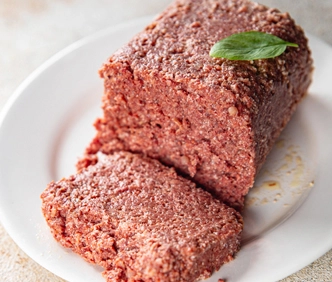
In recent years, pet nutrition has entered one of its fastest periods of innovation. Pet owners are no longer satisfied with generic products; they expect transparency, premium-quality ingredients, functional benefits, and production standards that align with human food safety. Among all pet food formats, wet food continues to show notable growth throughout 2024–2025, driven by rising demand for improved hydration, palatability, natural textures, and age-friendly nutrition.
While dry kibble remains popular for convenience, wet formulas have become increasingly important for owners seeking a more natural feeding experience. From small-batch gourmet cans to complete-and-balanced pouches, moist diets are reshaping consumer expectations and creating new opportunities for manufacturers worldwide.
This report explores the biggest wet pet food trends shaping 2025, including ingredient shifts, packaging innovations, functional formulas, sustainability requirements, and global supply chain changes.
Several forces are driving the global shift toward moist diets:
Improved Hydration Awareness
Veterinarians have emphasized the importance of water intake, especially for cats, senior pets, and pets in warm climates. Wet formulas naturally deliver 70–80% moisture, reducing the risk of urinary issues and kidney stress.
Stronger Focus on Palatability
Pet owners report that picky eaters respond far better to soft textures, fresh aroma, and meaty gravies compared to dry kibble.
Rise of “Human-Grade” Pet Products
Consumers want fewer artificial additives, visible meat chunks, and simplified ingredient lists—similar to ready-to-eat human meals.
The Aging Pet Population
Senior pets often struggle with dry kibble due to dental challenges. Moist formats reduce feeding stress and support easier nutrient absorption.
Premiumization of Pet Nutrition
Owners increasingly treat pets as family members. This drives higher spending on premium wet foods, rotations, toppers, and specialized functional formulas.
Together, these factors explain why wet pet food continues to outperform other categories in new product launches and market expansion.
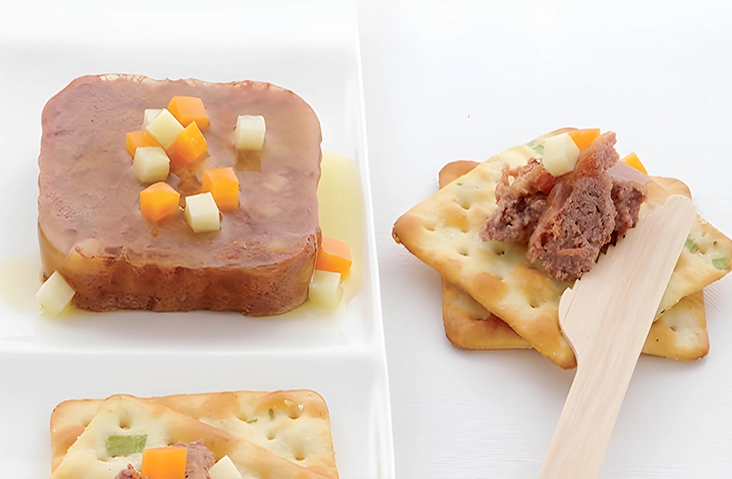
The composition of wet food is evolving rapidly to match consumer expectations for health, flavor, and transparency.
High-Meat, Low-Carb Formulas
Consumers want more real animal protein—from chicken, beef, lamb, duck, or novel proteins like venison and rabbit. Carbohydrates such as rice or potato are now used more sparingly.
Organ Meat for Natural Nutrition
Liver, heart, and gizzard are increasingly incorporated for natural taurine, iron, and amino acids.
Functional Additives
2025’s most common wet food functional blends include:
Joint support: glucosamine, green-lipped mussel
Digestive health: probiotics, pumpkin, prebiotic fibers
Skin & coat: salmon oil, omega-3
Weight control: low-fat pâté-style formulas
Gentle Processing
Retort technology, low-temperature cooking, and minimal processing are emphasized to preserve texture and nutrients.
Modern wet food now appears in multiple packaging styles, each catering to different usage scenarios.
Canned Meals
Still the industry staple due to long shelf life and cost efficiency. Many brands now offer grain-free, single-protein canned lines. Some manufacturers also partner with a pet products factory to improve scalability and ensure export-grade standards.
Single-Serve Pouches
Ideal for fresh feeding with precise portions and reduced waste. These formats continue growing rapidly in 2025.
Because of this demand, many manufacturers develop private-label options including dog meat pouches and cat meat pouches, giving retailers more flexibility in product offerings.
Ready-to-Serve Trays
Lightweight, easy to peel, and suitable for consumers seeking convenience. Many retailers now prefer sourcing from verified suppliers that offer customized pet food tray solutions for branding or portion control.
Specialty Textures
The popularity of pâté, mousse, shredded meat, chunky stew, and jelly formats is increasing. Soft-texture foods remain especially important for small breeds and senior animals, creating new demand for premium pet pate options.
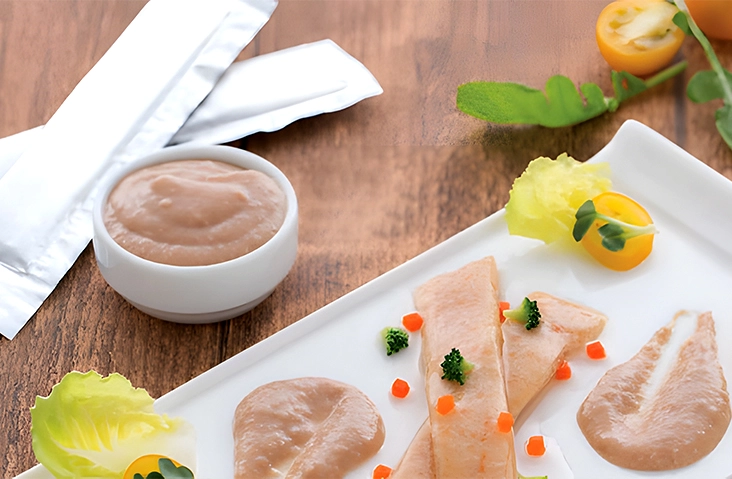
The moist pet food segment faces unique challenges due to high moisture content, packaging material requirements, and reliance on animal protein.
Rising Global Meat Prices
Beef, chicken, and turkey prices have fluctuated due to climate impacts, disease outbreaks, and regional supply shortages. Wet food, which uses more meat per serving than kibble, is more sensitive to these fluctuations.
Aluminum & Steel Price Fluctuations
Canned wet food requires millions of tons of metal packaging yearly. Global aluminum costs increased significantly in 2024, influencing retail prices for pet food can manufacturing and logistics.
Logistics & Cold Chain Dependence
Though canned wet foods are shelf-stable, many high-moisture fresh pet foods depend on chilled transportation. Regions with limited cold-chain infrastructure face higher retail prices.
Private-Label Growth
Large supermarkets increasingly partner with export-oriented manufacturers offering complete wet food production lines, helping reduce sourcing risk while increasing transparency.
The days of generic “beef flavor” canned food are over. In 2025, consumers search for solutions that target specific pet needs:
Digestive Health Formulas
Pumpkin, probiotics, and gentle proteins for pets with IBS or food sensitivities.
Weight Management
Low-fat cuts with high-fiber vegetables and soft textures supporting satiety.
Immune Support
Ingredients like mushroom extract, blueberries, or turmeric.
Senior Care
Soft, slow-cooked formulas with added DHA, prebiotics, and joint support.
Premium formulations show steady year-over-year growth, proving that owners are willing to pay more for targeted nutrition.
Cats
Higher protein requirements
Preference for soft textures
Greater need for moisture for urinary health
Higher sensitivity to formula or production changes
Pet retailers often work directly with a wet cat food supplier to create cat-specific recipes that prioritize taurine, high-moisture textures, and clean-label ingredients.
Dogs
Wider tolerance for mixed textures
Growing popularity of shredded or chunky stews
Increased use of wet foods as toppers for picky eaters
Sustainable wet food packaging is one of the most heavily debated issues this year.
Recyclable Aluminum Cans
Still the most responsible option when municipal recycling is available.
Lightweight Trays
Reduce shipping weight and carbon footprint.
Ethical Sourcing
Transparent fishing practices, cage-free poultry, and traceable meat batches are gaining importance.
To stay competitive, manufacturers should focus on:
Ingredient transparency
Simple, clean-label formulas
Functional formulations
Convenient single-serve packaging
Responsible sustainability claims
Export-ready production standards
Flavor and texture testing
Wet food consumers are loyal, vocal, and highly quality-sensitive. Once a pet accepts a formula, they tend to stick with it—as long as the recipe does not change.
Wet pet food is not just a feeding trend; it represents a broader transformation in how pet owners approach nutrition, health, and quality. In 2025, the category will continue expanding, driven by premiumization, functional ingredients, hydration awareness, and convenient portion formats.
Brands that prioritize safety, transparency, and innovative packaging will have the strongest competitive advantage in the global marketplace. As pet owners demand better nutrition and more natural diets, wet food will remain one of the most influential and fast-growing segments in the pet industry.
Because more countries have tightened moisture limits, microbial testing, and ingredient traceability requirements. Several recall cases in late 2024 also pushed regulators to introduce stricter oversight.
In 2025, updated guidelines focus on pathogen control, heavy-metal residue testing, higher transparency in ingredient sourcing, and clearer production-batch labeling. Many markets now require more frequent third-party lab reports.
All formats can be safe if processed correctly. Canned food is traditionally considered the most shelf-stable, but pouch and tray technologies have improved with advanced retort sterilization. Safety depends more on manufacturing quality than packaging type.
Modern facilities use low-oxygen filling, automated sealing systems, retort sterilization, and real-time HACCP monitoring. Larger exporters—especially those operating as a pet products factory—now publish more documentation for importers.
Unverified meat meals, low-grade by-products, and overly high moisture levels raise the most concerns. In 2025, regulators emphasize precise labeling and batch-specific traceability.
Yes. Clean-label wet food—shorter ingredient lists, whole proteins, and transparent sourcing—is one of the fastest-growing preferences.
Yes, especially when made with high-grade coatings. A pet food can still offers strong microbial stability and long storage life, making it popular among imported wet food brands.
Many extremely low-priced wet foods may compromise ingredient quality or sterilization processes. Importers and retailers generally seek suppliers with traceable sources and export certifications.
To verify sterilization performance, ingredient handling, and production consistency. Major buyers now require HACCP summaries, retort validation data, and heavy-metal test reports.
Yes. Even with improved packaging in 2025, opened wet food should be refrigerated and consumed within 24–48 hours to avoid microbial growth.