Yes—cat litter dust can be dangerous in 2025, especially for cats or humans with allergies, asthma, or respiratory sensitivity. Recent studies show that fine particulate matter from certain traditional litter types can irritate the lungs, trigger chronic inflammation, and worsen indoor air quality. Fortunately, safer alternatives and improved formulations now exist, making it easier for pet owners to reduce dust exposure while keeping their homes clean.
In recent years, veterinarians and pet owners have raised growing concerns about the effects of dust from cat litter—particularly as more households keep indoor-only cats. The increased focus on indoor air quality has also pushed the topic into mainstream attention. Research published in early 2025 highlights that prolonged exposure to ultra-fine mineral dust may contribute to respiratory irritation in both pets and humans, especially when combined with poor ventilation or low-quality litter products.
As more consumers become educated about air quality and the health effects of particles smaller than 10 microns, the demand for safer, cleaner, and environmentally friendly litter options is rapidly rising. Pet owners now expect transparency in ingredient sourcing, manufacturing methods, and performance testing.
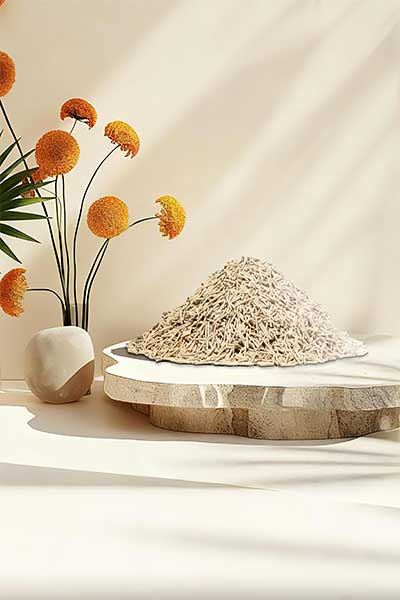
Cat litter dust refers to the fine particles released during pouring, scooping, scratching, or natural breakdown of litter materials. While every type of litter produces some dust, the amount and type vary significantly based on ingredients and manufacturing quality.
Common sources of dust include:
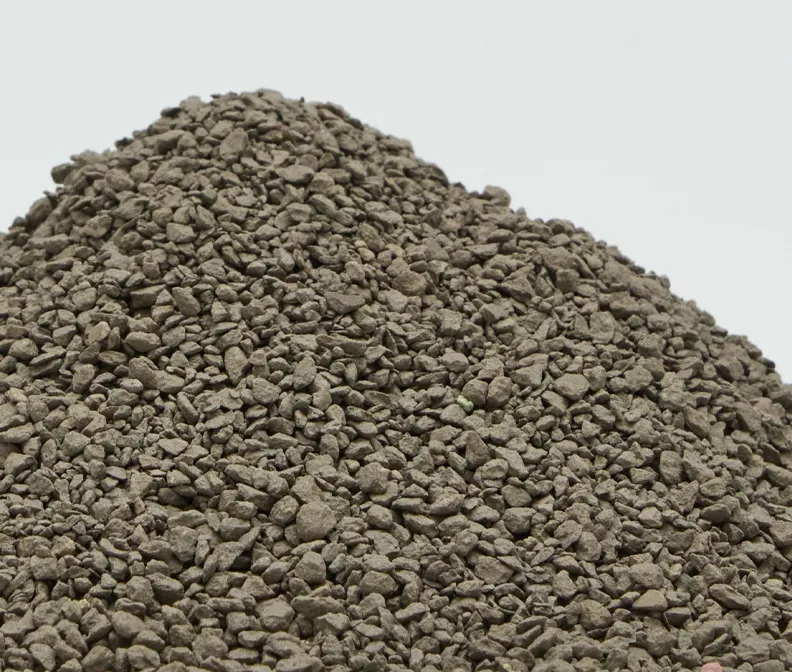
Natural clay particles from traditional bentonite litter
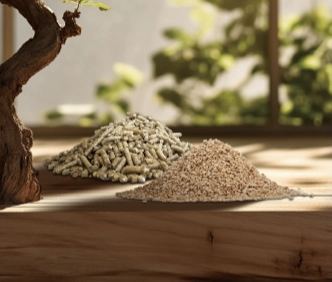
Wood fibers or plant powders from eco-friendly options
Silica microparticles from crystal litter
Processing residue from low-precision manufacturing
When inhaled over time, these particles can irritate the respiratory system—especially in small animals like cats.
Yes, it can be. Although healthy adult cats usually tolerate mild dust exposure, certain groups are at higher risk.
Cats most vulnerable in 2025 research:
Kittens with developing lungs
Senior cats
Cats with asthma or chronic bronchitis
Brachycephalic breeds like Persians
Allergic or immunocompromised cats
Respiratory irritation symptoms may include sneezing, coughing, wheezing, watery eyes, and in severe cases, difficulty breathing. Many veterinarians advise monitoring symptoms closely and switching to a low-dust or dust-free litter if problems persist. This is also why many households look for products labeled as clumping litter kittens suitable for younger pets, as these products typically prioritize gentler ingredients and cleaner performance.
Yes. Humans—especially pet owners who handle litter boxes daily—may experience irritation or allergy-like symptoms. The risk increases in homes with multiple cats or small apartments with limited airflow.
Common symptoms reported in 2025:
Throat or nasal irritation
Coughing
Triggers for asthma or allergic rhinitis
Eye irritation
General discomfort in dusty homes
Many consumers now actively search for safer alternatives to reduce dust in living spaces and improve overall air quality for both themselves and their pets.
Litter Type | Dust Level | Pros | Cons |
Traditional Bentonite Clay | High | Strong clumping, widely available | More airborne dust, heavy bags |
Wood or Pine Litter | Low–Medium | Natural smell, biodegradable | Not all brands clump well |
Crystal (Silica Gel) | Low | Long-lasting, high absorption | Can be expensive |
Plant-Based / Tofu | Very Low | Soft texture, biodegradable, minimal dust | Quality varies by manufacturer |
Mixed or Hybrid Litter | Medium | Balanced performance | Dust level depends on blend |
This is also where options like mixed cat litter stand out—they combine mineral and eco-friendly materials to reduce dust while maintaining clumping performance.
In 2025, several new studies shed light on dust-related respiratory issues in indoor environments. With more pet owners spending time working from home, constant exposure to low-quality litter dust has become more noticeable. Technology used by pet products manufacturers has improved significantly, resulting in better filtration, cleaner processing, and safer materials.
Key 2025 findings include:
Particle size smaller than 5 microns may enter deep lung tissue
Dust from low-grade clay litter shows higher irritant potential
Plant-based litter releases fewer airborne particles
Filtered, processed, or screened litters reduce dust by up to 85%
Ventilation plays a major role in limiting respiratory risks
These findings support the shift toward environmentally conscious, low-dust litter products, especially among consumers seeking high quality pet products.

Cat owners now have access to a wider range of improved, low-dust products. The safest alternatives include:
Very low dust, biodegradable, gentle on paws. Popular with eco-conscious homes and ideal for multi-cat families. Many distributors offer tofu cat litter bulk options for cost efficiency.
Natural and low-residue, this solution is excellent for odor control. High-end premium pine cat litter is often kiln-dried and screened for dust reduction.
Long-lasting and low in airborne particles, though some cats may dislike the texture. Options like premium crystal cat litter are particularly suitable for owners seeking low-maintenance solutions.
Designed for balanced performance, combining strength and eco-friendly dust control.
When training kittens or guiding older cats back to the box, products including cat attract litter can be beneficial while also offering low-dust formulations.
When selecting a safe, low-dust litter, consider the following:
Ingredient Sourcing
Look for brands transparent about materials—especially natural or plant-based ingredients.
Processing Quality
Screened, filtered, and heat-treated litters generate significantly less dust. Many top-tier options are offered by companies specializing in private label pet products for brands that want reliable manufacturing.
Clumping Performance
Low-dust litter should not sacrifice clumping. Higher-end wood and tofu options now produce strong clumps comparable to clay litter.
Home Environment
Small apartments or multi-cat homes benefit most from advanced dust-control products.
Cost & Availability
Wholesalers offering cat litter wholesale options can reduce long-term cost for both consumers and retailers.
Consider switching if your cat shows:
Sneezing or coughing near the litter box
Avoiding the box
Watery eyes or nasal discharge
Excessive dust visible during pouring
Owners of young cats often test safer alternatives like wood clumping litter to support respiratory health from the start.
Switching is also recommended when dealing with overly dusty mineral products, especially if you want to upgrade to plant based kitty litter, which is gentler on the environment and reduces airborne particles.
With the growth of private branding, many retailers, distributors, and new pet brands rely on private label cat litter manufacturing services to provide consistent quality. Reliable suppliers also offer professional support for eco-friendly options including bamboo, tofu, and pine blends.
For brands expanding their product line, partnering with established suppliers ensures stable production quality and healthy long-term customer trust.
Modern crystal litter uses processed silica gel, not construction-grade silica. Dust levels are low, but sensitive individuals should still use caution.
Not always. It reduces exposure but may not resolve underlying allergic conditions.
High-quality bentonite can be safe if well-processed. Look for screened, filtered products to minimize airborne particles.
Gradual mixing over 7–10 days usually helps cats adapt.
Not necessarily, but plant-based and wood litters typically produce far less dust than traditional clay.